Monday, 16 September 2013

Narrative

Narrative
Narrative is the structure and organisation of media texts in short it is the way the parts of the story are put together and presented to the audience.
in order to analyse the narrative, there are series of codes and conventions that need to be considered because of this when looking at the narrative we examine the conventions of:
  • Genre
  • Character
  • Form
  • Time
Roland Barthes describes a text as
"a galaxy of signifiers, not a structure of signified; it has no beginning; it is reversible; we gain access to it by several entrances, none of which can be authoritatively declared to be the main one; the codes it mobilizes extend as far as the eye can read, they are indeterminable...the systems of meaning can take over this absolutely plural text, but their number is never closed, based as it is on the infinity of language..."  
what he is stating is that a text is like a tangled ball of thread that needs to be unravelled and that once we do this we encounter a variety of potential meanings.


Narrative Enigmas
These are codes that limit the information given to the audience and forces them to work out what's going on in the story. Because the audience have to figure out the puzzle of the plot it keeps their attention on what their watching.

Technical code sound camera angles editing
verbal code  way language is used to convey the story
symbolic codes clues in the story
structure beginning middle end three part structure
character protagonist antagonist heroin sidekick mentor

Narrative conflict
All narrative is caused by narrative conflict and the battles between characters moves the story along

An example of how the narrative(structure) helps create the story and make it flow
  • crime planned
  • crime conceived
  • crime committed
  • detective investigates
  • crime discovered
  • detective identifies the criminals
Iconography
Iconography is the genre changes over time e.g westerns & musicals
http://en.wikipedia.org/wiki/Iconography

Hybrid Post

Hybrid Genre
A hybrid is a combination of the two or more genres
hybrids can have larger audiences due to appealing to more people through their multiple genres. this would be more lucrative for the film companies. some people consider them more exciting and creative.
horror movies are perennially popular, film makers might start with a set of horror paradigms to guarantee interest, before throwing other tropes into the mix.
this gives us genre hybrids like:
horror romance (twilight)
horror war (dead snow)
horror historical drama (pans labyrinth)

Combining two genres will pull both audiences for the separate genres to watch the film this gives the film a bigger target audience and increases the enhances of the film making the company profit.
genres are not static, but evolve. therefore their common attributes change over time. most films are hybrid genres, since they possess the common attributes of more than one genre. -Warren Buckland


Sub-Genres

Sub-Genres
Sub-Genres are identifiable sub-classes, almost like a sub heading within the larger film genre with their own distinctive subject matter, style, formulas and iconography, an example of a sub-genre film is Skyfall which is an action adventure

in the case of Skyfall & James Bond films can fit into subgenres like action adventure, but there are many other sub-genres such as:
  • spy
  • espionage
  • political thriller
  • martial arts films
  • race against time
This is a link which should give you a better understanding of sub-genres.
http://en.wikipedia.org/wiki/Genre

Sunday, 15 September 2013

Media Genre

Genre
In this blog I will talk about what I have learnt in my AS Media lessons at sixth form.

Genre is way of  categorising films or other media products that have similar techniques or conventions such as content, structures and themes.

there are many different examples of media genre such as:
action, horror, thriller, comedy, war, rom-com, adventure, drama & documentary.


Action
An action film is film genre where one or more heroes are thrust into a series of challenges that require physical feats. They often include fistfights, gunfire, explosions & car chases. action films are one of the biggest source of income for movie studios 


Horror
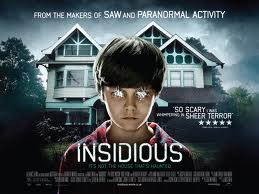
Horror is a genre that aims to create a sense of fear, panic & alarm for the audience. These films are often unsettling and rely on scaring the audience through a portrayal of their worst fears and nightmares which means that the films incorporate a lot of violence and gore into the plot. Horror films usually centre on the arrival of an evil force, person, or event and often include mythical creatures such as ghosts and vampires.

Comedy
Comedy films rely on humour as the driving force of the film & they do this by creating laughter from the audience through entertaining characters and stories. A comedy film is the most likely to slip into other genres as humour can easily be incorporated into other genres. comedy films attract huge audiences creating vast profits for movie produces however the success of a comedy film is usually reliant on the success and popularity of one star. 


Adventure
Adventure is a genre that revolves around the conquests and explorations of a protagonist. The purpose of the conquest is usually to retrieve a person or treasure, but often the main focus is simply the pursuit of the unknown. These films generally take place in exotic locations and incorporate on historical myths. Adventure films incorporate suspenseful puzzles and intricate obstacles that the protagonist must overcome in order to achieve his/her final goal.


Genres function according to a to a set of rules and conventions, which govern their capacity. they respond to these set rules by developing paradigms (the over all pattern created by a film that helps to categorise it)& over time these formulas and patterns may change or influence the ways of seeing and representing the world around us. 
the categorisation of films grew with the evolution of the film industry, but was particularly developed in hollywood in the 1920s/30s when major studios where being established.
these new studios wanted to attract large audiences to films to create a large profit. to do this companies needed to establish what films people liked and produce them in larger quantities. marketers could then give films a label so audiences knew what to expect and genres became formulas consisting of predictable conventions that audiences liked. 
the producers or marketers of films use genre so that they can work out what films are most popular so they can produce more of them. they also use genre so they can correctly market a film meaning the right type of audience to produce more profit. 
another reason that film marketers need to categories films so that people have the right expectations of the film when they go and see it, if the marketing is done correctly and successfully then people will be more likely to recommend the film and result in a larger profit for movie makers.